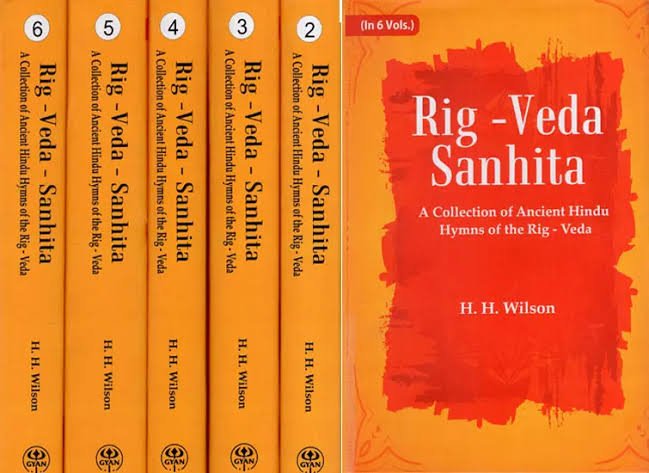
The Rig Veda, one of the oldest and most revered texts in human history, offers a profound glimpse into the spiritual and philosophical landscape of ancient India. Composed around 1500 BCE, it is not merely a collection of hymns but a sacred guide that weaves together the essence of life, nature, and the divine.
At its heart, the Rig Veda is a celebration of the universe’s vast beauty and interconnectedness. It contains over a thousand hymns, each dedicated to various deities that embody aspects of cosmic forces such as Agni (the fire god), Indra (the rain and thunder god), and Varuna (the god of cosmic order). These hymns are not just prayers but profound reflections on the world and its mysteries, offering a window into the early Vedic consciousness.
What makes the Rig Veda truly unique is its emphasis on Rita, the cosmic order that governs both the physical and moral universe. The hymns speak of a divine harmony in nature, urging humanity to live in accordance with truth and righteousness. This spiritual order is seen not as an abstract concept but as something to be experienced and lived every day, inviting individuals to tune into the natural rhythms of existence.
Beyond its religious significance, the Rig Veda also contains philosophical wisdom, exploring questions of existence, creation, and the nature of the soul. The famed Nasadiya Sukta (Creation Hymn) delves into the mystery of the universe’s origin, pondering whether anyone truly knows how creation began, illustrating a deep reverence for the unknown and the infinite.
In the Rig Veda, one finds a timeless call to connect with the divine, to seek knowledge, and to live in harmony with the world around us. Its wisdom resonates across millennia, offering a beacon of light for those on a spiritual journey seeking truth, peace, and enlightenment.
Article Crafted by Yoga Home Bali Team
Leave a Reply